

Pain Wearing Men’s Formal Shoes: Why It Happens & How Insoles Help
Wearing men’s formal shoes is part of daily life for many professionals—but foot pain, tightness, and discomfort are extremely common. Whether you work in an office, attend events frequently, or spend long hours on your feet, you may find that your leather shoes feel stiff, narrow, or unforgiving.
The good news: most of this pain is fixable, and one of the most effective solutions is using insoles or orthotics designed to support your foot, improve your posture, and reduce pressure. In this guide, we explain why men’s dress shoes cause pain, what conditions may be involved (such as flat foot), and how the right insoles can transform your comfort—without needing to buy new shoes.
Why Men’s Formal Shoes Cause Pain
Men’s formal shoes, while stylish, often prioritize appearance over comfort. Several design factors contribute to pain:
1. Narrow Toe Boxes
Most dress shoes taper toward the front, squeezing the toes together. This leads to:
- Toe numbness
- Bunions becoming worse
- Pressure on the forefoot
2. Hard Leather Insoles
Many men’s leather shoes have stiff inner soles with almost zero shock absorption, increasing pressure on:
- Heel
- Arch
- Ball of the foot
3. Lack of Arch Support
Formal shoes rarely come with built-in arch support. People with flat foot experience:
- Arch fatigue
- Knee pain
- Overpronation (feet rolling inward)
4. Poor Fit & Heel Slippage
Loose heel counters cause:
- Blisters
- Instability
- Toe gripping → tightness and cramps
Common Foot Problems Made Worse by Formal Shoes
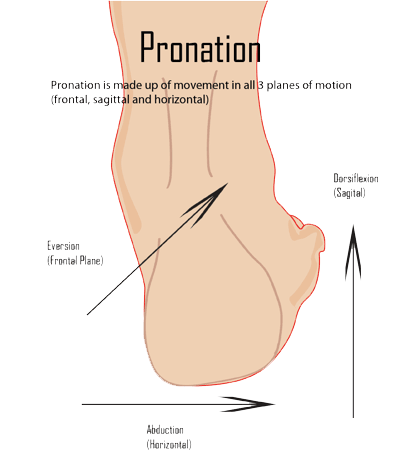
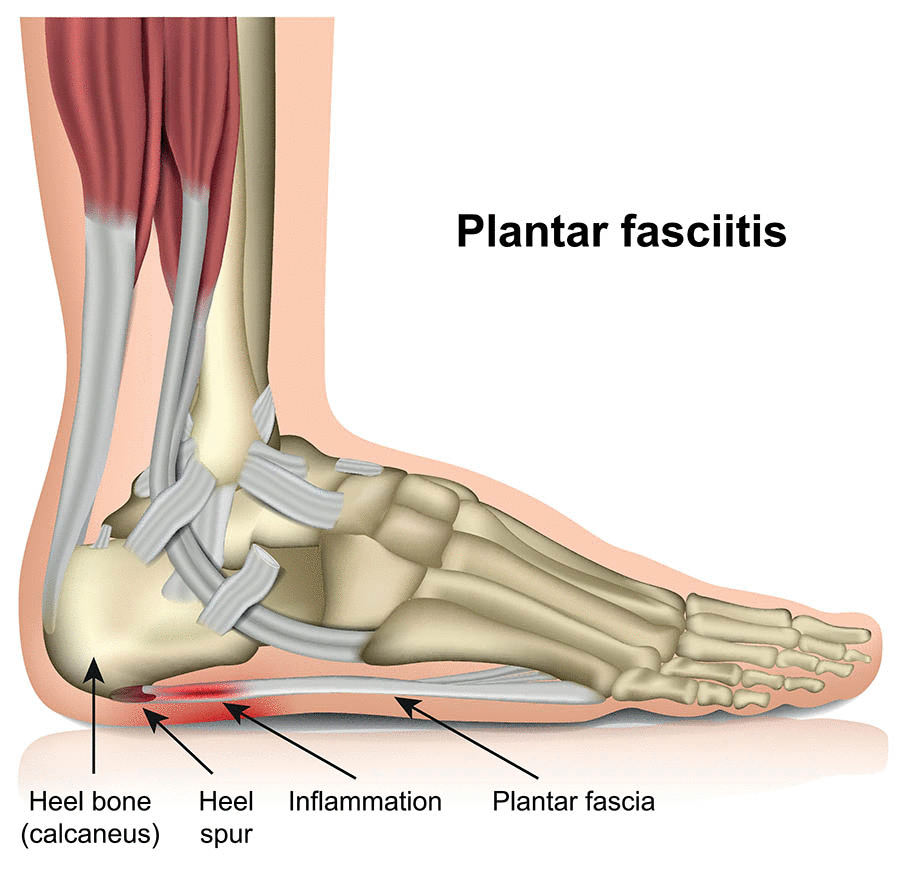
Many Singaporeans already have existing foot conditions—formal shoes often make them worse.
Flat Foot (Fallen Arches)
Flat-footed individuals naturally require more arch support. Without it:
- The arch collapses with every step
- Pain appears in the heel, arch, knees, and back
- Fatigue begins early in the day
👉 Solution: Structured orthotic insoles.
Plantar Fasciitis
Hard leather soles irritate the plantar fascia, causing sharp morning heel pain.
Metatarsalgia (Ball-of-Foot Pain)
Thin outsoles do not cushion the forefoot well.
Bunions
Pointed dress shoes increase pressure on the big toe joint.
Achilles Tightness
Low-heeled formal shoes can overstretch the tendon.
How Insoles Reduce Pain in Men’s Formal Shoes
The right insoles protect your feet and relieve discomfort.
1. Provide Proper Arch Support
Insoles support the arch and improve alignment.
2. Redistribute Pressure
Impact is spread across the entire foot, reducing hotspots.
3. Add Slim Cushioning
Dress-shoe insoles are thin yet effective.
4. Improve Shoe Fit
No more heel slippage or toe gripping.
5. Support Long Hours Standing
Office workers, salespeople, and hospitality staff benefit greatly.
Best Types of Insoles for Men’s Formal Shoes
Slim Orthotic Insoles (Best for Dress Shoes)
- Low-profile, supportive
- Ideal for flat foot and everyday office wear
Full-Length Orthotic Insoles
- Maximum support
- Best for long walking or standing days
- Suitable for severe pronation or plantar fasciitis
Heel Cups
- Targeted relief for heel pain
Metatarsal Pads
- Reduces forefoot pressure for metatarsalgia
Comparison Table — Insoles for Men’s Formal Shoes
| Type of Insole | Pros | Cons | Price Range (SGD) | Best For |
|---|---|---|---|---|
| Slim orthotic insoles | Low-profile, fits dress shoes, good arch support | Less cushioning | $39–$89 | Office workers, flat foot |
| Full-length orthotics | Maximum support | Needs more shoe space | $59–$159 | Severe pronation, foot pain |
| Heel cups | Targets heel pain | No arch support | $19–$39 | Plantar fasciitis |
| Metatarsal pads | Relieves forefoot pain | Placement sensitive | $15–$30 | Ball-of-foot pain |
When Do You Need Orthotics Instead of Basic Insoles?
Consider orthotics if you experience:
- Persistent heel or arch pain
- Knee pain from flat foot
- Severe overpronation
- Pain not relieved by regular insoles
Orthotics offer:
- Structural correction
- Better pressure distribution
- Long-term support
FeetCare Singapore provides both custom orthotics and premium off-the-shelf solutions.
How to Choose the Right Insoles for Formal Shoes
1. Check Shoe Volume
Dress shoes are narrow → choose slim models.
2. Match Your Foot Type
- Flat foot → arch-support orthotics
- Heel pain → heel cups
- High arches → cushioned insoles
3. Consider Your Activity Level
More walking = more cushioning required.
4. Replace Insoles Regularly
Every 6–12 months for hygiene and support quality.
Home Remedies to Reduce Shoe Pain
- Break in leather shoes gradually
- Use a shoe stretcher to widen the toe box
- Apply leather conditioner
- Rotate between different shoes
- Stretch your calves and arches daily
Internal Links (FeetCare)
- Learn more: Best Insoles for Travel (replace with actual URL)
- Guide: Insoles for Flat Foot (replace with actual URL)
External Authoritative Links
- Cleveland Clinic – Orthotics
https://my.clevelandclinic.org/health/treatments/orthotics - FootHealthFacts – Plantar Fasciitis
https://www.foothealthfacts.org/
FAQ — Pain Wearing Men’s Formal Shoes
Why do my dress shoes hurt after a few hours?
They lack cushioning and arch support. Insoles redistribute pressure and improve comfort.
Can insoles fit inside slim leather shoes?
Yes—slim orthotic insoles are designed for dress shoes.
Are insoles effective for flat foot?
Yes. Arch-support insoles reduce pronation and knee/heel pain.
How long do insoles last?
6–12 months depending on wear.
Do I need custom orthotics?
If pain persists despite good insoles, custom orthotics may be necessary.
Conclusion — Pain in Formal Shoes Is Preventable
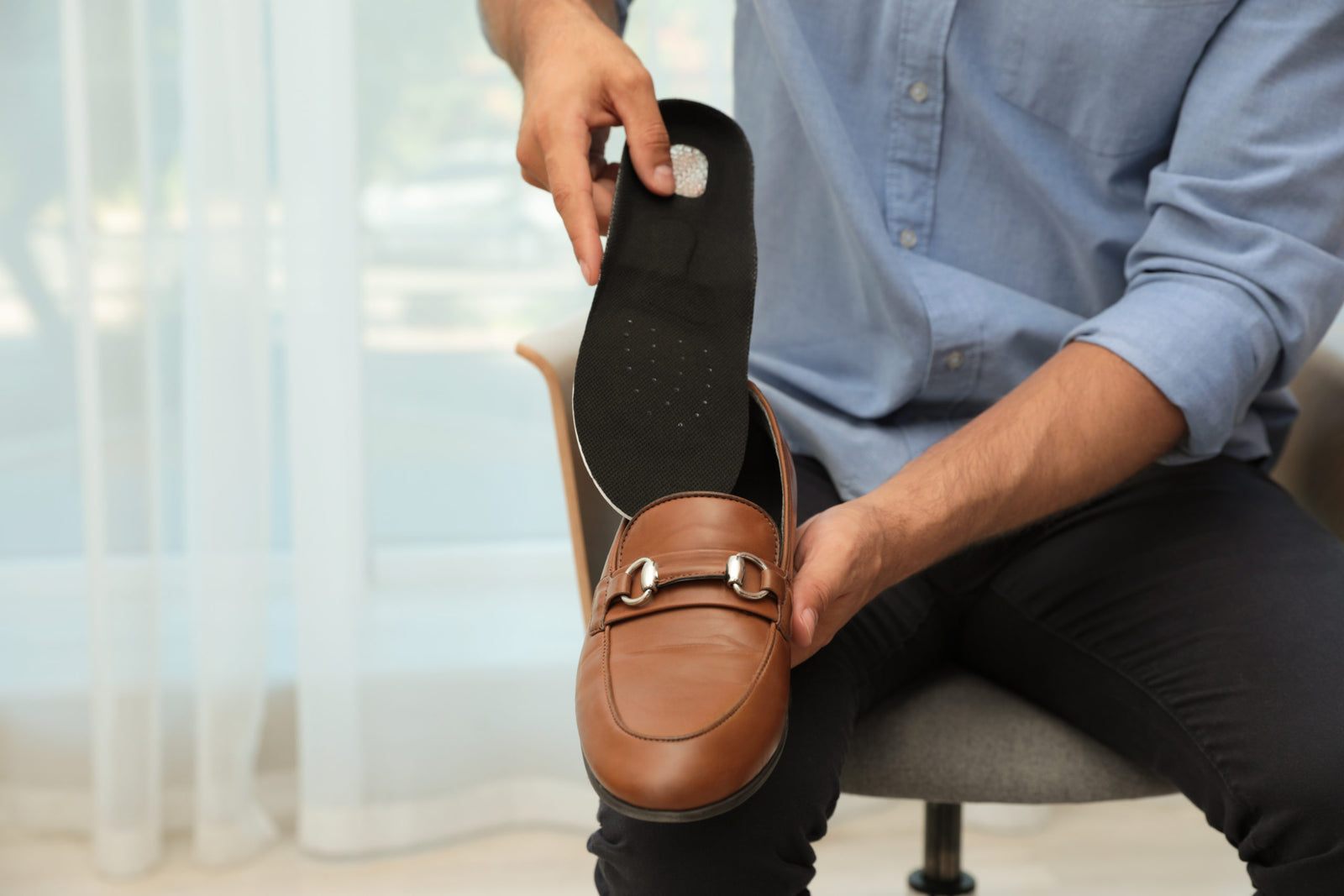
Foot pain shouldn’t be part of professional life. With the right insoles, your formal shoes can feel supportive, cushioned, and comfortable.
FeetCare Singapore offers a wide range of insoles and orthotics made specifically for men’s dress shoes.
Call-to-Action
👉 Ready to walk pain-free in your formal shoes?
Visit a FeetCare Singapore store, message us on WhatsApp, or browse our online shop for the best insoles tailored for men’s formal footwear.