

By the FeetCare team · Last updated 24 November 2026
Quick answer: For a winter trip, the best insole is a supportive, full-length insole that fits your winter boots with the thick socks you will actually wear, without making the boots tight. Tight boots squeeze circulation and make cold feet worse. Most travellers do well with a medium-volume ready-made orthotic insole (S$79–109 at FeetCare). If you already have heel pain, flat feet or one foot that behaves differently from the other, custom insoles (S$250–368 per pair, ready in 1–2 days) are worth arranging at least two weeks before you fly. Insoles help with support, fatigue and fit. They do not stop you slipping on ice; ice cleats do that.
Key takeaways
- Winter trips combine three things your feet are not used to in Singapore: much more walking, heavier boots, and cold that reduces blood flow to the toes and heels.
- Fit matters more than warmth. An insole plus thick socks can turn a well-fitting boot into a tight one, and tight footwear reduces circulation.
- Bring your winter boots and your winter socks to the fitting. We choose the insole thickness around both.
- Break the boots and insoles in for at least 1–2 weeks before you travel, not on day one in Hokkaido or Seoul.
- Dry insoles at room temperature overnight. Never on a heater or radiator.

Why do your feet struggle on a winter holiday?
Most Singaporeans spend the year in light, breathable shoes on flat, dry floors. A winter trip changes almost everything about how your feet are loaded, all at once.
You walk a lot more. In a UK survey of 2,000 holidaymakers commissioned by M&S Credit Card, travellers reported averaging about 11,300 steps a day on holiday. City trips to Tokyo, Seoul or Europe often go well beyond that. A sudden jump in walking is a recognised trigger for heel pain: the Whittington Health NHS Trust lists a sudden increase in physical activity and unsupportive footwear among the common causes of plantar fasciitis. This is why many of our customers first notice heel pain in the second or third day of a trip, or in the week after they come home.
Your feet are colder, and cold feet feel more. In cold conditions the body narrows the blood vessels in the hands and feet to protect core temperature. A study on footwear insulation in the International Journal of Occupational Safety and Ergonomics found the toes and heels were the parts of the foot most affected by cold, and that wetness changed how quickly feet cooled. The US CDC’s NIOSH notes that wet feet lose heat faster.
Your footwear is heavier and stiffer. Snow boots and insulated hiking boots usually come with a soft, flat foam liner. It feels comfortable in the shop but gives little arch or heel support once you have walked for six hours.
The air is dry. Mayo Clinic notes that skin tends to be driest in winter, when humidity is low and the outdoor temperature is cold. Coming from Singapore’s humidity, many travellers get dry, cracked heels within a week.
What can insoles do for a winter trip, and what can’t they do?
A good insole changes how load is spread under your foot. In winter footwear, that means it can:
- Support the arch and heel through long walking days, which reduces the strain behind heel pain, arch fatigue and tired legs. See our guide to insoles for plantar fasciitis if heel pain is already a problem for you.
- Hold the heel steady inside a roomy boot. Many snow boots are cut generously. A contoured heel cup reduces the heel lifting and sliding that causes blisters. Our article on using insoles to reduce blisters explains how this works.
- Add a layer between your sole and the bottom of the boot. Feet lose heat into cold ground through the sole, so a full-length insole is better than a 3/4-length one in winter boots. This is a supporting layer, not a replacement for an insulated boot.
- Improve stability on uneven ground, such as packed snow, cobblestones and slushy kerbs, especially if your feet roll inward. Older travellers may find our guide to insoles for walking instability useful.
What insoles cannot do is give you grip on ice. Grip comes from the outsole of the boot or from a traction device worn over it. In a randomised trial published in the Journal of the American Geriatrics Society, fall-prone older adults wearing a slip-on traction device over their winter footwear had 19 outdoor falls, compared with 43 in the group wearing their usual footwear. If your itinerary includes icy pavements (Sapporo, Harbin, Northern Europe in January), pack a pair of ice cleats as well.
The biggest mistake: making your winter boots too tight
This is the problem we see most often before winter trips. A traveller buys boots that fit with thin socks, adds thick thermal socks, then adds a thick insole. The boot is now tight across the top of the foot and the toes.
Tight footwear works against you in the cold. The CDC advises that tight clothing reduces blood circulation, and that warm blood needs to reach the extremities. The UK’s nidirect health service notes that chilblains can appear on parts of the foot under pressure, such as a bunion or a toe squeezed by tight shoes. A slightly roomy boot with a well-fitted insole is warmer than a snug boot with no space.
Some simple rules:
- Remove the factory liner before putting in a full-length insole. Never stack an insole on top of it unless the boot is clearly too big.
- Fit with your winter socks on. You should be able to wiggle all your toes freely, and the laces should not press hard on the top of your foot.
- Choose insole volume to suit the boot, not the other way round. A thick, cushioned insole suits a roomy snow boot. A slim insole suits fashion ankle boots or a pair of sneakers you are wearing with thicker socks.

Which insole suits which winter footwear?
| Footwear you are taking | What usually works | Watch out for |
|---|---|---|
| Insulated snow boots (roomy) | Full-length, medium-to-thick insole with a deep heel cup, e.g. SOLE Active Thick or Formthotics | Boots that are already snug with thick socks. Go thinner rather than squeezing in. |
| Waterproof hiking boots | Medium-volume supportive insole, such as SOLE Active Medium. See our hiking insoles guide. | Downhill walking: the toes must not touch the front of the boot. |
| Sneakers or walking shoes worn with thicker socks | Slim insole, such as SOLE Active Thin or FeetCare Orange Premium | Mesh uppers let cold and slush in. Better for dry city days than snow. |
| Fashion ankle boots or leather boots | Slim or 3/4-length insole, or a slim custom pair | Narrow toe boxes. Bring the boots to the fitting so we can judge the space. |
| Ski or snowboard boots | A separate insole made for that specific boot | Ski boots have very little spare volume. Do not move your walking insoles into them. |
Ready-made or custom insoles for a winter trip?
Most travellers without existing foot pain do well with a good ready-made insole. Custom insoles make sense when you already have a problem that a ready-made shape cannot address. Our comparison of custom and off-the-shelf insoles goes into more detail.
| Ready-made orthotic insoles | FeetCare custom insoles | |
|---|---|---|
| Best for | Healthy feet, general fatigue, mild flat feet, adding support to new boots | Existing heel pain, flat feet with pain, high arches, bunions, leg length difference, very different left and right feet |
| Fit to your boots | Trim to length; choose thin, medium or thick volume | Length, width, thickness and firmness designed for the footwear you bring |
| Price at FeetCare | S$79–109 per pair for the brands below | S$250–368 per pair (adults), S$180 (children) |
| Lead time | Same day, in store or online | Ready within 1–2 days, plus break-in time |
| Book by | 1–2 weeks before you fly | 2–3 weeks before you fly |
Insoles we often recommend for winter travel

- SOLE Active Medium (S$79) is a good all-rounder for hiking boots and most snow boots. The Thick version suits roomy snow boots, and the Thin version suits sneakers and slimmer boots. SOLE insoles are heat-mouldable, which also means they should be kept away from heaters on your trip.
- Formthotics Dual Red (S$109) gives firmer arch support with extra cushioning, useful for long city walking days with mild flat feet. See how to choose the right Formthotics.
- FeetCare Orange Premium (S$89) is a full-length support insole for everyday walking shoes and sneakers.
- Custom-made insoles (S$250–368) are designed from a 3D scan of your feet and 3D printed in-house, with thickness set for the boots you bring.
Not sure which one fits your foot type? Our flat foot insoles guide and high arch insoles guide explain what each foot type needs.
When should you get insoles before a winter trip?
Earlier than most people think. A workable timeline:
- 4 weeks before: Buy your winter boots. Wear them around the house with your winter socks.
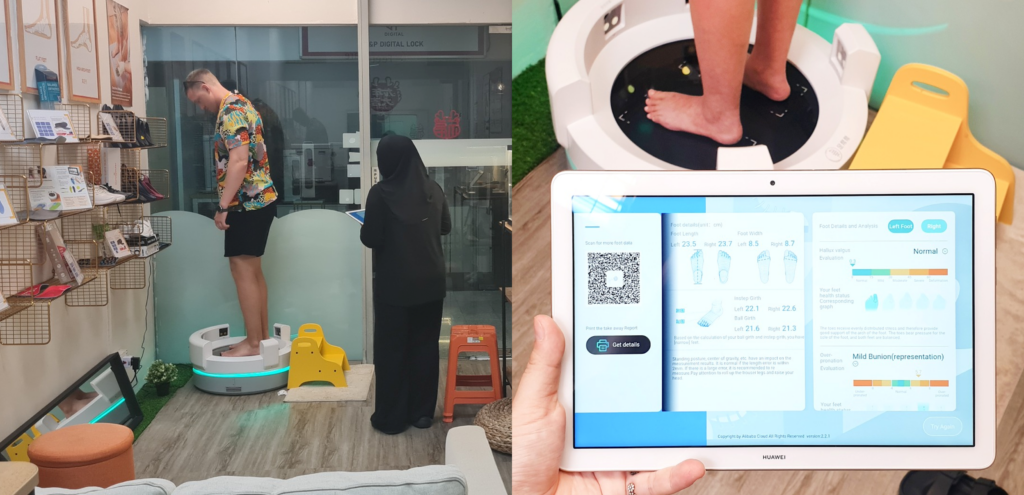
- 3 weeks before: Come for a fitting. Bring the boots, the socks and any walking shoes you are packing. If you need custom insoles, this leaves time for the 1–2 day turnaround and any adjustment.
- 1–2 weeks before: Break in the boots and insoles. Walk in them for an hour or two at a time. An air-conditioned mall is fine for this. New insoles can feel firm at first, so increase wear gradually.
- Packing: Wear the boots on the plane if you can, so they are not crushed in your luggage. Pack ice cleats if you expect ice, and a heel balm for the dry air.
How do you look after your feet and insoles during the trip?
- Keep feet dry. Choose wool or synthetic hiking socks rather than cotton, which holds sweat. Pack a spare pair for long days so you can change damp socks.
- Take the insoles out every night. Lift them out of the boots so both can air-dry at room temperature.
- Never dry insoles on a heater, radiator or heated floor. Heat can warp mouldable materials and loosen glued top covers. Exposure to excessive heat is also excluded from the warranty on our 3D printed custom insoles.
- Warm cold feet gently. The NHS advises against putting your feet on a radiator or under hot water to warm them, as rapid warming can trigger chilblains.
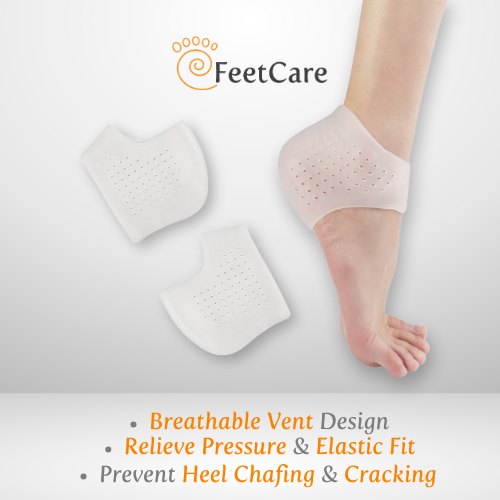
- Moisturise your heels. Apply a heel balm at night. Gel heel socks such as our FeetCare Gel Heel Moisturising Socks (S$17.90) help the balm work while you sleep.
- Rest in shoes, not barefoot. If your heels ache in the evenings, supportive slippers such as the FeetCare Energy Flip Flop are kinder than walking barefoot on hotel floors.
From our fitting room
From our experience, we find that it’s important to get the insoles at least 2 – 3 weeks before you travel, so that you have time to break in to the new insoles. The last thing you want is to wear them for the first time on your travel, and find out that it doesn’t fit and that it causes more pain for you.
Or bring a pair of insoles and shoes that you are used to, dont try anything new on the trip itself. If you need to customize the insoles, do it even earlier in advance, in case adjustments need to be made for the custom insoles. At FeetCare, we can make the insoles within 1-2 days, so our short turnaround time allows you the flexibility to get the insoles right before your trip.
Insoles help with comfort and load. They are not the answer for every winter foot problem. See a doctor or podiatrist if:
When should you see a doctor instead?
- You have diabetes or reduced feeling in your feet. Cold injuries and blisters can go unnoticed, and the NHS advises people with diabetes to see a GP about chilblains.
- Your toes turn white or blue in the cold, or stay numb after warming up.
- Chilblains do not improve within 2–3 weeks, or the skin breaks or looks infected.
- Heel or foot pain is severe, started suddenly, or is getting worse despite rest.
Frequently asked questions
Can I use my everyday insoles in my winter boots?
Often, yes, if they are full-length and the boot has room for them with your thick socks. Remove the boot’s own liner first. If the boot feels tight across the toes, you need a thinner insole or a roomier boot.
Should I buy winter boots one size bigger?
Not automatically. Try boots on with your winter socks and the insole you plan to use, and buy the size that fits that combination. Half a size up is common, but a boot that is too long will let the foot slide and cause blisters.
Do insoles keep your feet warm?
A full-length insole adds a layer between your foot and the cold base of the boot, which helps a little. Warmth mainly comes from insulated, waterproof boots, dry wool or synthetic socks, and enough room for blood to circulate. An insole that makes the boot tight can leave your feet colder.
Are heated insoles a good idea?
They can help people who feel the cold badly, but most add thickness and give no arch support. If you also need support, ask us whether your boots have space for both, or whether a warmer sock and a supportive insole is the better option.
How long before my trip should I get custom insoles?
Aim for 2–3 weeks. FeetCare custom insoles are ready within 1–2 days, but you want at least a week to break them in and time for any adjustment before you fly.
I live outside Singapore. Can I still get the right insoles?
Yes, for ready-made insoles. Use our online foot assessment for a recommendation, or see our international insoles page. Custom insoles need an in-store 3D scan. For general travel footwear tips, see our guide to insoles for travel.
Get fitted before your winter trip
FeetCare has been fitting insoles in Singapore for over 10 years. Bring your winter boots and the socks you plan to wear. We will scan your feet, check the fit inside the boot, and recommend a ready-made or custom insole that suits your itinerary.
- Sunshine Plaza: 91 Bencoolen Street #01-27, Singapore 189652. Walk-ins and appointments. 2 minutes from Bencoolen MRT (DT21).
- East Village: 430 Upper Changi Road #01-56, Singapore 487048. By appointment only. 9 minutes from Tanah Merah MRT.
- Opening hours: Mon–Fri 10:30am–7:30pm; Sat–Sun 10:00am–8:00pm
- Call or WhatsApp: +65 8811 7258
References
- Kuklane K, Geng Q, Holmér I. Effect of footwear insulation on thermal responses in the cold. International Journal of Occupational Safety and Ergonomics, 1998; 4(2): 137–152.
- McKiernan FE. A simple gait-stabilizing device reduces outdoor falls and nonserious injurious falls in fall-prone older people during the winter. Journal of the American Geriatrics Society, 2005.
- US Centers for Disease Control and Prevention, NIOSH. Cold stress.
- NHS. Chilblains.
- nidirect (Northern Ireland). Chilblains.
- Whittington Health NHS Trust. Plantar fasciitis.
- Mayo Clinic News Network. Take steps at home to manage dry, cracked heels.
- M&S Credit Card holiday survey of 2,000 UK adults, reported in The Yorkshire Post, 2024.